#AIRegulation

🔥 The First AI Candidate Just Entered Congress

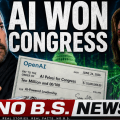
AI super PACs, Alex Bores, New York’s 12th Congressional District, OpenAI-linked investors, Anthropic-linked spending, and the RAISE Act collide in a bizarre congressional race that may reveal how artificial intelligence money plans to influence Congress before Congress regulates AI.

Artificial intelligence didn’t need a robot candidate, a metal skeleton, or a bad sci-fi voice to enter Congress. It just needed super PAC money.

In New York’s 12th Congressional District, a local Democratic primary became a national AI proxy war after candidate Alex Bores helped push New York’s RAISE Act, one of the strongest AI safety laws in the country. According to major reporting, AI-linked political groups poured millions into the race, with one side opposing Bores and another side boosting him.

So is this just one strange Manhattan election — or the first beta test for how AI money captures Washington before Washington ever regulates AI?

This is not left versus right. This is machine money, political influence, congressional power, and the future of who writes the rules.

NO VIEWS! – The Law The Can End YouTube As We Know It! Trump’s Plan Could Quietly Kill Your Channel

A major AI framework released by Senator Marsha Blackburn could reshape the future of the internet, including potential changes to Section 230—the law that protects platforms like YouTube, Facebook, and Rumble from liability over user content.

In this video, we break down what Section 230 actually does, how AI regulation could expand platform liability, and why this could fundamentally alter the creator economy. From algorithm suppression to monetization risks, this may not be a shutdown—but something far more subtle and impactful.

If you are a content creator, influencer, or digital entrepreneur, this is a conversation you cannot afford to ignore.